


Power Tool Kits UK
Add a review FollowOverview
-
Founded Date July 23, 2022
-
Sectors Zdravstvo i njega
-
Posted Jobs 0
-
Viewed
Company Description
9 . What Your Parents Teach You About Battery Powered Tool Set
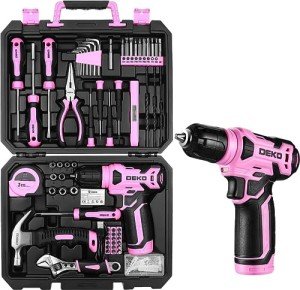
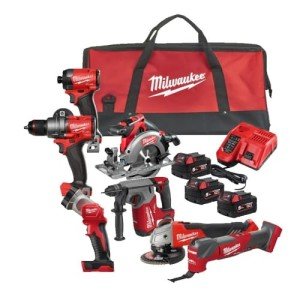
Comprehensive Guide to Battery-Powered Tool Sets
Over the last few years, battery-powered tools have changed the way both experts and DIY enthusiasts approach their tasks. With their convenience and effectiveness, battery-powered tool sets have ended up being a staple in workshops nationwide. This post explores the advantages of battery-powered tools, necessary parts, comparisons, and answers to some regularly asked questions.
Why Choose Battery-Powered Tool Sets?
Battery-powered Electric Tools Set use various advantages over their corded counterparts:
-
Portability: Without the obstacle of a cord, battery-powered tools can be quickly transferred and used anywhere.
-
Convenience: Quick setups remove the need for outlet access, making them perfect for outside tasks.
-
Lowered Trip Hazards: The lack of cables enables a more secure work area, particularly in crowded or cluttered environments.
-
Technological Advancements: Most contemporary battery-powered tools feature effective lithium-ion batteries that provide longer runtimes and faster charging times.
Key Components of a Battery-Powered Tool Set
A common battery-powered tool set may include various tools customized to satisfy the needs of various tasks. Below is a comprehensive table showcasing standard tools found in these sets:
| Tool | Purpose | Normal Battery Voltage | Common Brands |
|---|---|---|---|
| Drill/Driver | For drilling holes and driving screws | 12V to 20V | DEWALT, Makita, Milwaukee |
| Circular Saw | For cutting wood, plywood, and other products | 18V to 20V | Bosch, Ryobi, Black+Decker |
| Reciprocating Saw | For demolition and rough cuts in numerous materials | 18V | Porter-Cable, Hitachi |
| Impact Driver | For driving large screws/fasteners | 12V to 20V | Artisan, Ridgid |
| Sander | For smoothing surfaces and ending up wood | 12V to 20V | Ryobi, Milwaukee |
| Angle Grinder | For cutting and grinding metal, masonry, and tiles | 18V | Makita, DEWALT |
| Jigsaw | For detailed cuts in wood, plastic, and metal | 12V to 20V | Black+Decker, Bosch |
Notable Features to Consider
When picking a battery-powered tool set, numerous functions can enhance usability and efficiency:
-
Battery Life: Look for tools with lithium-ion batteries that provide longer runtimes and charge quickly.
-
Interchangeability: Some tool sets enable for battery compatibility throughout several tools, lowering the requirement for several batteries.
-
Weight: Consider the ergonomics; lighter tools can lower fatigue throughout substantial use.
-
Toughness: Robust construction and protective functions (like dust and water resistance) guarantee the durability of the tools.
-
Service warranty and Support: Good brands typically provide guarantees that cover defects and supply client support for inquiries.
Comparing Battery-Powered Tools to Corded Tools
The option in between battery-powered and corded tools often comes down to individual choice and project requirements. Here’s a contrast:
| Feature | Battery-Powered Tools | Corded Tools |
|---|---|---|
| Mobility | High – can be used anywhere | Minimal – requires proximity to Power Tool Set Deals UK outlets |
| Runtime | Limited by battery life | Continuous as long as plugged in |
| Cordless Power Tool Sets Sale Output | Usually less effective than corded | Often more powerful |
| Maintenance | Requires Battery Powered Tool Set care | Lower upkeep; more simple |
| Cost | Generally greater initial investment | More cost-efficient for private tools |
| Flexibility | Numerous multi-purpose tools offered | Specialized tools offered |
Best Practices for Using Battery-Powered Tool Sets
To make the most out of a battery-powered tool set, follow these best practices:
-
Charge Batteries Regularly: To guarantee optimum battery life, avoid deep discharging and charge batteries after each use.
-
Clean Tools After Use: Keeping Build Your Own Power Tool Kit tools tidy reduces wear and tear and can assist maintain their lifespan.
-
Shop Safely: Keep tools in a dry, secure area to avoid damage and guarantee simple gain access to.
-
Read User Manuals: Each tool may have particular operating directions or maintenance pointers; checking out the manual can save time and disappointment.
Often Asked Questions (FAQs)
1. For how long do battery-powered tools last?
The life-span of battery-powered tools depends upon usage and upkeep however can last numerous years with proper care. Lithium-ion batteries generally last 2-3 years, depending upon charging practices.
2. Can I utilize my battery-powered tools in winter?
Severe cold can impact battery performance. It’s best to keep batteries at room temperature level when not in use and enable them to heat up before use in cold conditions.
3. Are all battery-powered tools suitable with the exact same battery?
Not always. Battery compatibility frequently depends upon the brand name and specific tool model. It’s vital to validate compatibility before purchasing additional tools.
4. How do I maintain lithium-ion batteries?
To preserve lithium-ion batteries, avoid complete discharges, keep them cool, and charge them after usage. It’s likewise recommended to utilize the maker’s charger.
5. What are the most important tools for a beginner?
For beginners, a drill/driver, circular saw, and impact motorist are often the most vital tools to begin with, as they cover a vast array of basic tasks.
Battery-powered tool sets have changed how we approach standard jobs, supplying a mix of benefit and efficiency. Whether for professional trades or DIY home enhancements, these tools accommodate varied project needs. By comprehending the features, components, and best practices connected with battery-powered tools, users can optimize their efficiency and efficiency. Equipped with this thorough guide, both beginners and experienced specialists can now make informed choices when selecting their next tool set.
 English